
How Crash Games and Slots Create Different Kinds of Excitement
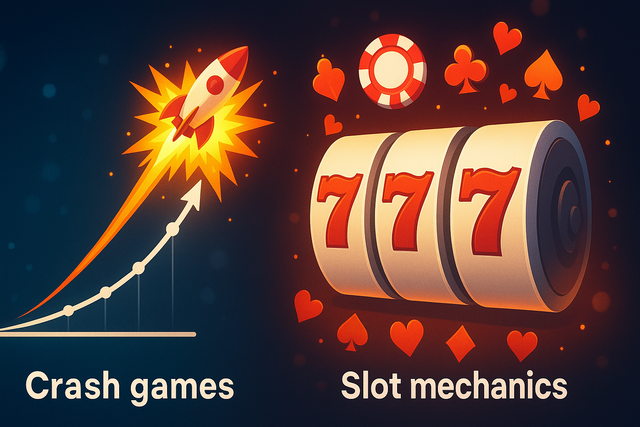
Crash games and slots may share a casino environment, but they deliver excitement in completely different ways. Slots focus on lights, reels, and chance, while crash games offer control, tension, and a sense of timing. The difference becomes clear the moment a player takes action. One click starts a reel spin that cannot be influenced. The other starts a multiplier climb that can be stopped at any moment. Both trigger adrenaline, but through distinct rhythms and emotions.
Crash games like the Rabbit Road app show how modern design can reshape the idea of gambling. Players no longer wait for symbols to align. They watch a multiplier grow with every second, and the decision of when to cash out belongs entirely to them. This feeling of control creates engagement that is more interactive than traditional slot play. While slots rely on visual stimulation, crash games rely on the player’s nerves and reactions.
The contrast between these two types of games also reveals something deeper about player psychology. Slots attract those who enjoy passive entertainment. Crash games appeal to those who prefer active participation. Both experiences can be thrilling, but they stimulate different instincts. Slots entertain through repetition and surprise. Crash games thrill through decision-making and risk management. Each format satisfies a different part of human curiosity — one seeks luck, the other seeks mastery.
Player Timing vs. Pure Randomness
In crash games, timing defines everything. The round starts with a multiplier at 1x, and it grows with every moment. The tension builds as players decide when to cash out. Every second carries both opportunity and danger. The multiplier might reach 5x or collapse to zero without warning. Success depends on judgment, timing, and control over emotion. The mechanics feel simple, but each round carries intense psychological weight.
Slots operate on an opposite principle. A spin outcome is determined by a random number generator (RNG). Once the reels start, the player can only wait. No timing or decision affects the result. Every symbol combination is pure chance. This design makes slots easy to play and endlessly repeatable. The simplicity of pressing one button again and again creates an almost meditative rhythm. Unlike crash games, the sense of control vanishes, replaced by the comfort of unpredictability.
Crash games focus on visible progression. The player watches a bar, graph, or in the case of Rabbit Road, a rabbit moving forward step by step. Each movement represents growing potential and risk. Slots focus on visual variety. Each spin displays a new mix of symbols, animations, and sound effects. The difference between timing and randomness shapes not only gameplay but also emotional intensity. Crash games reward awareness, while slots reward patience.
Risk, Reward, and Emotional Flow
Crash games compress emotion into a few seconds. The player’s heart rate rises as the multiplier climbs. The excitement feels sharp and immediate. When a player cashes out in time, the reward feels like a victory earned through decision and reflex. When they wait too long, the loss feels personal, as if timing failed rather than luck. This emotional pattern builds tension and satisfaction faster than almost any other format.
Slots deliver emotion through slower repetition. Each spin carries a small hope of a big outcome. The flashing lights and sound effects reinforce that anticipation. Even losing spins keep the player engaged because the next one could be different. The rhythm becomes hypnotic. This steady pulse creates a form of entertainment that feels consistent, even if unpredictable. The tension stretches longer, the emotional peaks smaller but constant.
Crash games often mirror the feeling of a fast decision under pressure. Slots mimic the calm of a familiar ritual. Both styles manipulate risk and reward to create emotional engagement. The major difference lies in how much responsibility the player feels. In crash games, the outcome feels tied to personal timing. In slots, it feels tied to chance and fate. That single difference changes how players experience victory, defeat, and anticipation.
Strategy, Engagement, and Player Identity
Strategy in crash games emerges naturally from the player’s control. Cashing out early, waiting longer, or choosing difficulty modes forms a system of personal discipline. Games like Rabbit Road reward observation. Players learn to recognize patterns and decide when to stop. They often adjust their bankroll after every session. The engagement feels active and tactical. Every choice creates a learning experience.
Slots encourage a different kind of strategy. Here, the plan happens before the spin. Players choose games with certain volatility, RTP, or themes that match their preferences. Once play begins, there are no decisions that affect results. Strategy turns into bankroll management and time control. The experience focuses on entertainment value rather than skill expression. For many, this simplicity is its greatest appeal.
These differences shape the type of player each game attracts. Crash game fans seek control and quick satisfaction. Slot enthusiasts look for consistency and familiar pleasure. Both groups share the same goal: excitement. Yet the path to that feeling differs completely. Crash games reflect decisiveness. Slots reflect patience. Together, they form the two extremes of modern digital gambling — one about action, the other about anticipation.