
When a tired player opens a slot at the end of the day and looks for something more immersive than static reels, the way the screen frames each moment often matters more than they realise, because even people who already know how to play Big Bass Bonanza 1000 instinctively respond to camera angles, zooms and shifts that make every spin feel like a shot from a well edited film rather than a flat mechanical action in a generic game. Cinematic framing changes how symbols, backgrounds and interface elements share the screen; it decides what gets close, what stays distant, how fast things move and when everything freezes for a heartbeat. That invisible direction can transform a simple change in money balance into a scene with build up and payoff. The reels do not just spin, they enter the frame with intent. The bonus does not simply trigger, it arrives like a plot twist. In that carefully staged flow, players stay more alert, more emotionally connected and more eager to see what the next spin will bring.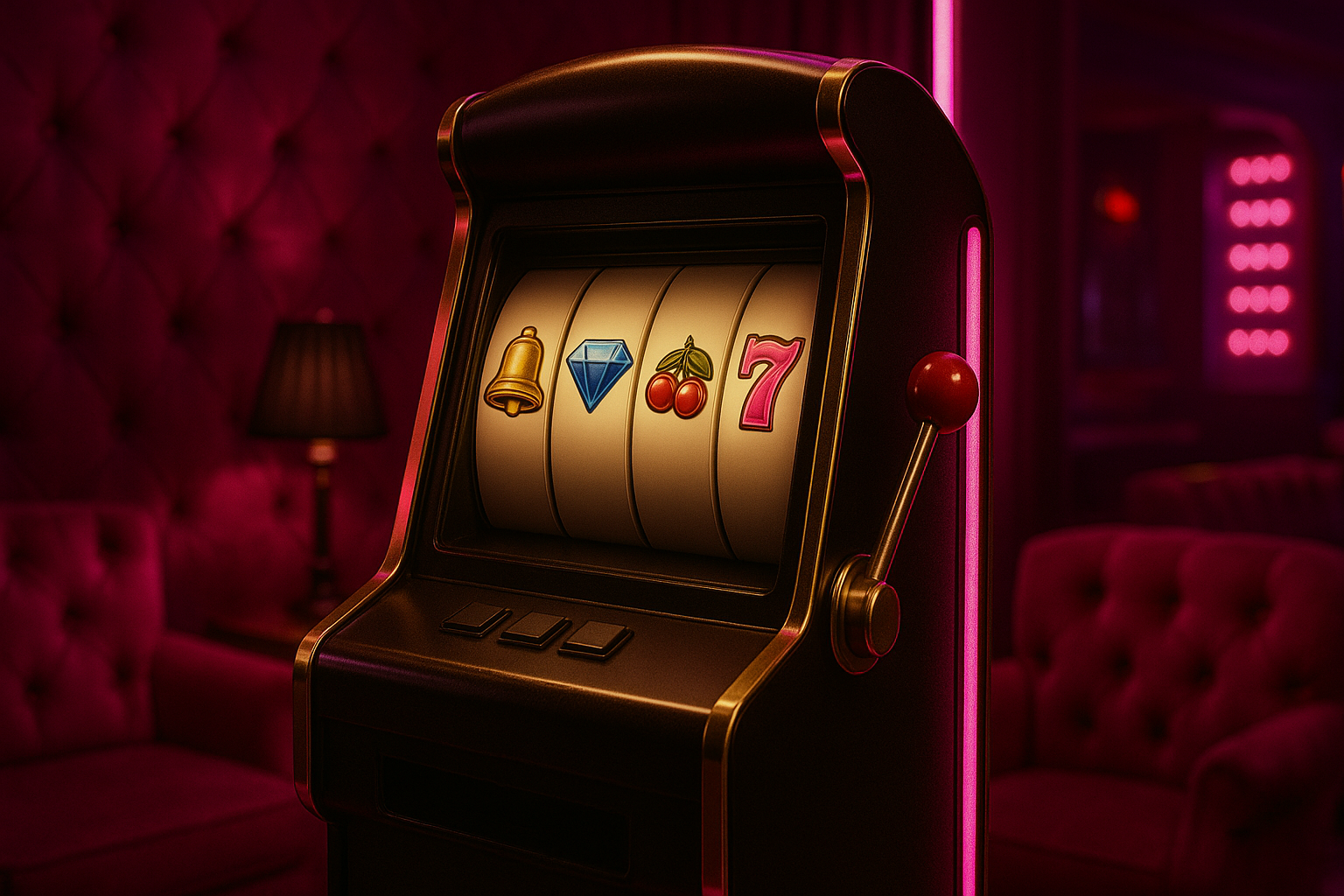
Framing the reels like a movie scene
Cinematic framing starts with basic composition. Instead of treating the reels as a flat rectangle dropped into the middle of the screen, a premium slot places them as if they were a hero on a stage. The background becomes more than wallpaper; it acts as a set that supports the story while leaving the centre clear. Characters, fishing boats, rocks or trees may sit at the edges, slightly blurred or softened, while the reels remain razor sharp. This contrast keeps the focus where it belongs without wasting the rest of the scene. The player’s eyes land first on the symbols, then wander outward to soak up atmosphere, then return to the action just in time for the result.
Zoom level matters as well. A tight framing on the reels during crucial moments, such as the final seconds of a spin or the last free round in a feature, pulls the viewer into the tension. A slightly wider framing between spins allows the scene to breathe, showing more of the lake, the sky or the animated character at the side. These shifts act like the cut between a close-up and a wide shot in a film. They change the emotional temperature without altering the underlying mechanics of the game. The stakes feel higher when the camera leans in; they feel more relaxed when it pulls back.
Even vertical and horizontal balance contribute to excitement. Placing the reels slightly higher can make space for a strong control bar at the bottom, where stake controls, spin buttons and information about money and bonus progress live. The composition feels grounded, like a dashboard in a vehicle, reassuring the player that while drama happens above, control remains firmly in their hands. That sense of control, framed visually, makes taking risks feel less frightening and more thrilling.
Guiding the eye through each spin
Cinematic framing is not only about where things sit, but about how the eye moves through them over time. A well directed slot uses invisible camera rules to create a repeatable path for attention with each spin. When the player taps the button, the framing reinforces the flow: the focus starts on the control area, jumps to the reels as they accelerate, tracks the symbols as they roll, and then pauses on the payline positions where results will matter most.
Subtle techniques make this path feel natural. Slight depth of field effects can make the top and bottom edges of the screen a bit softer when the reels move, keeping the mid section crisp where potential wins appear. When the spin ends, a short hold on the final frame before any flashing or counting begins allows the brain to register the pattern like a still shot in a movie. Then, and only then, does the game add overlays to highlight wins or near misses. This order of operations respects the player’s ability to read the scene before the game comments on it.
During automatic spins, where the player might sit back and let the game cycle on its own, framing helps maintain engagement without demanding constant effort. The camera might hold a consistent angle but use micro movements—gentle pans, slight zooms, slow parallax shifts in the background—to keep the world feeling alive. The reels remain the anchor, yet the surroundings drift just enough to avoid visual fatigue. The player can glance up from time to time, instantly understand which part of the sequence they are in and decide whether to stop auto play or let it continue.
Building tension for free rounds and bonus reveals
Bonus features, especially those that award free spins or special pick-and-win sequences, benefit hugely from cinematic framing. These are the “set pieces” of the slot, the moments that should feel like full scenes rather than quick cuts. When the third scatter symbol lands, the way the camera responds can either turn the event into a blur or into a memorable highlight.
A refined game often stages the build up across several frames. First, the camera may tighten slightly as the second scatter hits, hinting that something important is happening. Ambient lighting in the background could shift, colouring the whole scene with a subtle glow. As the last reel slows, the view may track its movement more closely, almost like a handheld shot following a character in a suspense movie. If the final scatter misses, the framing relaxes again with a small sigh of motion, allowing the player to feel the near miss without feeling mocked. If it lands, the scene erupts in a measured way: camera zooms out to reveal celebratory elements in the background, then zooms in again on the reels to show exactly how many free rounds were won.
Inside the bonus itself, cinematic framing helps organise what could otherwise be confusing. If extra multipliers, special symbols or separate money values appear, the camera can glide between them with intentional focus. It might start on the reels, then pan to a tally board at the side, then swing back for the next spin. Each move tells the player where to look next, so they never feel lost even when multiple numbers shift at once. The excitement becomes layered rather than chaotic. The player tracks the rise of their money total, the countdown of remaining spins and the chance of retriggering the feature because the framing leads them through that information like a director leading an audience through a scene.
Emotional memory and the power of camera language
Over time, players develop an emotional memory of camera behaviour even if they never think of it in technical terms. They remember that in one game the view shook wildly at every small win, leaving them oddly tense, while in another the framing only stepped up its drama for genuinely big moments, making those wins feel earned and special. They recall how some titles cut away from the reels too quickly, never giving them a clear look at what happened, while others held the frame just long enough to let them savour the pattern of symbols and understand the outcome.
This memory shapes which games they choose to return to. A slot with cinematic framing that respects the viewer’s time and attention feels more mature and trustworthy. Players know that even when they do not hit a big bonus, the journey will still feel like a series of well composed shots rather than a visual assault. They can enjoy the slow build of tension, the carefully framed reveals and the calm resets between sequences. That emotional rhythm is easier on the nerves and more flattering to the mind. It feels like being treated as an audience, not simply as a source of quick spins.
From a design perspective, cinematic framing becomes a language for communicating emotion without changing the underlying rules of the game. Camera distance, angle, motion and timing all speak to the player. A low angle looking up at a large symbol can make a jackpot icon feel monumental. A gentle zoom toward a bonus meter with each contributing hit can make progress feel tangible. A slow fade back to the normal reel view after a feature can let the excitement dissolve gracefully instead of crashing.
In a digital landscape where many slots share similar themes, maths models and feature sets, this language of framing is one of the sharpest tools for standing out. It builds excitement not by adding more noise, but by giving every moment a clear, cinematic shape. When players feel that each spin is part of a visual story directed with care, they are far more likely to stay, to explore the game’s free modes and real money options, and to return again for another session in a world that moves and frames itself with the confidence of a good film.