
When we renovated the kitchen last spring, I fell down the same rabbit hole every homeowner knows: two faucets that look identical, one price is triple the other. I asked the installer why, expecting a marketing answer. Instead he said, "turn both to the spec sheets." That sentence rewired how I shop. Six months later, the same logic explains why my grandmother's watch still runs while the fashion piece I bought three years ago already died. It is all material, and material is all numbers.
Hardness Is Measured, Not Guessed
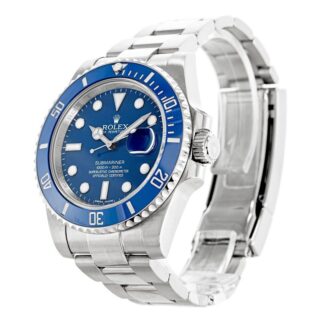
The base tool is the Mohs scale, ordering materials from 1 (talc) to 10 (diamond). The mineral glass on cheap kitchen timers and fashion watches sits at 5-6: a grain of sand — quartz, 7 — scratches it effortlessly, and grit is everywhere in a real kitchen, from flour dust to crumbs on the counter. Synthetic sapphire, the standard of serious watchmaking and precision instruments, reaches 9; only diamond marks it. In practice, a sapphire-glass watch can survive a decade of baking, scrubbing and hauling groceries without a single scratch.
For metals the parameter is Vickers hardness (HV). Stainless steel 316L — the standard of surgical instruments, quality faucet cartridges and watch cases — runs around 200 HV. Grade 5 titanium offers roughly 40% better strength-to-weight than steel, shrugs off dishwasher steam and salty hands, and causes no skin allergies even on wrists that never take the watch off.
Comparison Table: What the Numbers Say
| Material | Hardness | Relative cost | Typical service life |
|---|---|---|---|
| Chrome-plated zinc alloy | low | 1x | 1-3 years |
| Anodized aluminum | medium | 2x | 5-10 years |
| Steel 316L | ~200 HV | 4x | 15-30 years |
| Titanium grade 5 | ~340 HV | 7x | 20-40 years |
| Sapphire crystal | 9 Mohs | 10x | the life of the object |
The conclusion is uncomfortable for bargain shoppers: good material costs four to ten times more at the register, but amortized over a decade it beats buying the cheap version three times. We replaced two builder-grade faucets in five years before spending properly on a solid-cartridge one — it is now in year six without a drip. The math settles itself between grocery runs; it always does.
The Checklist Before Any Discounted Purchase
- Ask for the exact specification: "stainless steel" with no grade tells you nothing; ask whether it is 316L, 304, or 904L.
- Check the glass: mineral or sapphire. The price gap is small; the durability gap is enormous.
- Inspect gaskets and threads: genuinely water-resistant items carry quality seals and a fine machined thread, not a pressed-on cap.
- Weigh the object in your hand; filler alloys betray themselves with an abnormally low weight.
- Compare the published specifications against the real product before the return window closes.
An instructive parallel comes from the world of collectible watches, a market that learned to publish specifications the way a good recipe publishes gram weights instead of cups. Collectors have distinguished for years between crude knockoffs and high-grade rolex superclone pieces not by the logo but by the data: certified 904L or 316L steel, sapphire rated 9 on the Mohs scale, weight matching the original to the gram. The difference is not on the dial; it is in the numbers of the table — hardness, weight, corrosion resistance. Anyone who has watched a "stainless" faucet bleed rust stains onto a new sink understands exactly what those parameters are worth.
The Invisible Enemy: Corrosion and Seals
Kitchen fixtures rarely die of scratches; they die of corrosion. Sodium chloride — in sweat, in cooking water, in every brine — attacks alloys with less than 10.5% chromium; that is why 316L, with 16-18% chromium and 2-3% molybdenum, is also the metal of surgical implants. A steel watch worn through dish duty and sourdough days fights that chemistry daily, and cheap plated alloys lose within two years.
The second silent killer is the gasket. Cheap rubber ages poorly even when the body is perfect; quality nitrile or FKM seals handle -30 to +200 °C — freezer to oven mitts — and stay elastic for years, while generic ones crack within two summers. A detailed specification card — the new replica rolex 2026 listings, for instance, state case steel, glass hardness, gasket material and exact weight — gives you three verifiable figures where most product pages offer only adjectives. Fixtures and accessories that document their own weaknesses are the ones you can trust when the whole house is watching the install.
Frequently Asked Questions
Is titanium worth the premium over steel?
For anything carried or worn all day, yes: 40% lighter, salt-resistant and nickel-allergy friendly. For impact tools, steel often performs better because of its rigidity.
Can sapphire crystal scratch?
Only by diamond or other sapphire. In daily use, against sand (quartz, 7 Mohs), scratching it is practically impossible.
How do I identify 316L steel without a lab?
Ask for the datasheet and weigh the item. A 316L object has a precise, reproducible weight; lightweight imitations give themselves away against the official specification.
Does good material guarantee a durable product?
Not by itself: assembly and maintenance matter too. But good material is the necessary condition; no flawless assembly saves an alloy that corrodes.
Buy Like an Installer
A professional installer does not buy by looks; a callback for a dripping faucet costs him a day and a review. So he reads specifications: material, hardness, seals, weight, documented values. That habit translates from faucets to knives to the watch on your wrist. The difference between spending and investing starts exactly there, in the decision to demand numbers instead of impressions. Your drawers get lighter, your budget recovers, and the kitchen keeps working year after year.